
Short answer: cashless gambling is not automatically safer or riskier. Its design decides how it affects players. That is the central finding of a new report from the Responsible Gambling Council (RGC), Cashless Gaming: Risk, opportunity, and design choices, published in late October 2026. Cashless systems remove the natural pauses of cash, but they also create transaction data that lets operators spot harm early. For European operators moving land-based play to cards and apps, the message is to build limits, friction and monitoring in from day one.
Key takeaways
- Cashless gambling is neither safe nor risky by default: design decides.
- Four warning signals include cancelled withdrawals and declined deposits.
- Recommended: default limits, cooling-off and separate large wins.
- Monitoring spending is profiling under the GDPR: plan a DPIA.
Introducing cashless play or digital wallets in your gaming business? Consuflix combines iGaming compliance and Data Protection Officer as a Service support to design player protection, AML monitoring and GDPR-compliant data use. Email info@consuflix.com or use our contact page.
What the RGC cashless gambling report found
The report is the third of six in the RGC’s Sector Signals series. It draws on evidence from jurisdictions that have already introduced cashless or carded play, notably several Australian states, Norway and Sweden. Its main findings are:
- Cashless play is not protective by default. Cash creates natural breaks, such as a trip to an ATM, that help players notice what they spend. Stored balances and instant top-ups remove those pauses and can lead to longer sessions and less visible losses.
- Cashless systems create visibility. Every transaction is recorded and linked to an account, which allows operators, regulators and banks to detect harm earlier than with cash.
- Four financial signals are linked to higher risk: cancelled withdrawals, declined deposits, winnings immediately re-wagered, and repeated small deposits within one session.
How regulators are designing safer cashless gambling
The RGC highlights concrete measures already in use:
- Australia. Tasmania’s statewide rollout and a New South Wales trial rely on mandatory identification, player-set spending limits and real-time alerts. Victoria is phasing in mandatory carded play with loss limits and an A$100 load-up cap. Credits of A$2,000 or more are paid only by cheque or electronic transfer, held for 24 hours.
- Norway requires monthly loss limits, with lower limits for younger players.
- Crown Perth applies a seven-day cooling-off period before increases to loss or time limits take effect, and a 15-minute break after every three hours of continuous electronic gaming machine play.
- Location friction. In New South Wales, cash dispensers must be at least five metres from gaming area entrances, and in Sweden slot machines may not be placed next to cash machines.
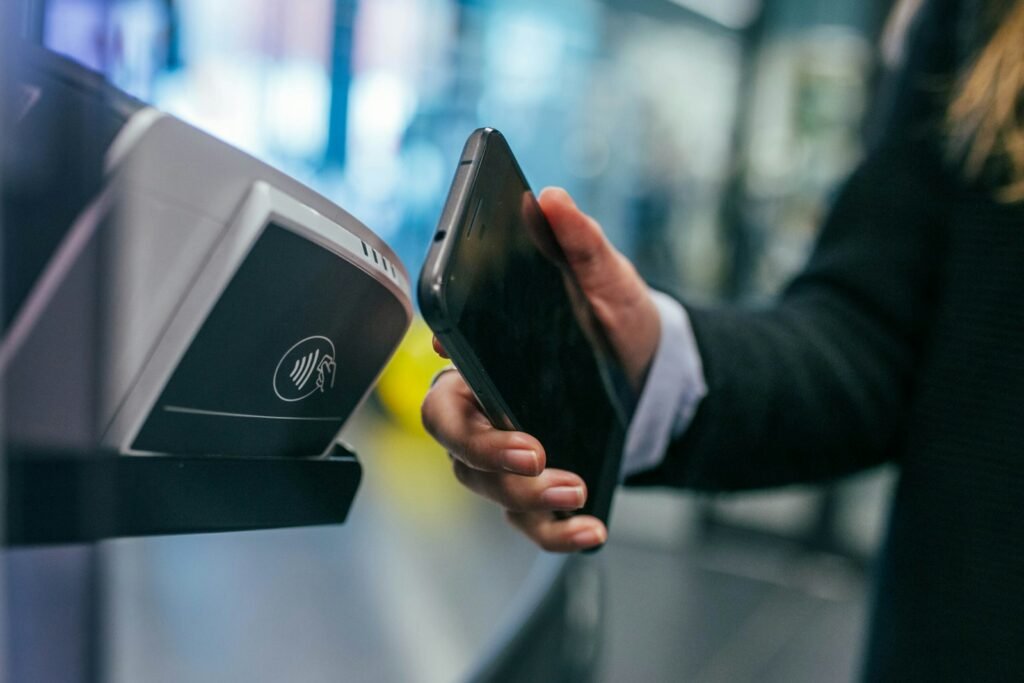
The RGC’s design recommendations
- Build safeguards in from the start rather than adding them later.
- Set deposit and loss limits by default when an account is opened.
- Add cooling-off periods before extra funds or higher limits take effect.
- Pay large wins separately from the play balance so they cannot be instantly re-wagered.
- Place funding points away from gaming areas.
- Use transaction data to monitor the four financial signals and act early.
What cashless gambling means for European operators
Online gambling in Europe is already cashless, and land-based casinos are moving the same way. The RGC’s findings speak directly to three compliance areas:
- Player protection. Licensing regimes, including the Malta Gaming Authority’s player protection rules, already require responsible gaming tools and monitoring. The four financial signals are practical markers of harm that compliance teams can add to existing models.
- Anti-money laundering. Account-based play improves traceability, but stored balances, rapid top-ups and withdrawals need transaction monitoring and customer due diligence, especially as the EU’s single AML rulebook approaches in 2027. See how suspicious activity is reported through goAML.
- Data protection. Monitoring spending to detect harm is profiling under the GDPR. Operators need a clear legal basis, transparent information for players, a data protection impact assessment (DPIA) and sensible retention periods. Our guides to GDPR compliance and handling data subject access requests cover the basics, and the future of gaming looks at where the sector is heading.
A cashless gambling readiness checklist
- Default limits at sign-up, with cooling-off before increases.
- Real-time alerts and interventions linked to the four financial signals.
- Separate handling of large wins.
- Integrated AML monitoring across wallet top-ups, play and withdrawals.
- A DPIA covering monitoring, profiling and data sharing with payment partners.
- Clear governance: named owners for player protection, AML and data protection. In Malta, these map to MGA key functions; see our MGA licence guide.
Limits and uncertainty
The RGC is a non-profit organisation and its report is not binding regulation. It draws mainly on Australian and Nordic evidence, which may not translate directly to every European market. Requirements for cashless play differ between jurisdictions. This article is general information, not legal advice.
Conclusion
Cashless gambling can make play less safe or much safer. The difference lies in design choices: default limits, deliberate friction and active use of transaction data. Operators that build these in from the start will find it easier to satisfy regulators and to protect players.
Design cashless play that protects players and passes regulatory scrutiny. Consuflix’s Compliance Officer as a Service and DPO as a Service help operators align player protection, AML monitoring and GDPR. Email info@consuflix.com or reach us through our contact page.
Related reading
Sources
- Responsible Gambling Council: Design decides how cashless gaming affects players, new RGC report finds
- Regulation (EU) 2016/679 (GDPR)